Why Serving Others Doesn’t Mean Sacrificing Yourself
If you work in education, nonprofit, or any service-focused field, you know the drive to help can feel unstoppable. So many of us want to help others so much that we are willing to do so at our own expense. But here’s the catch: your nervous system has limits. Constant stress without regulation eventually erodes your capacity to show up effectively.
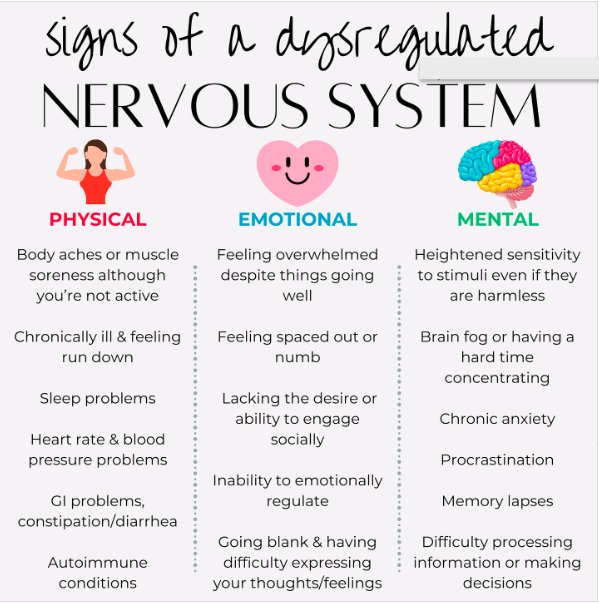
If you feel fatigued to the point that you cannot rest, have constant gastrointestinal issues, or area always anxious, you may want to reexamine how you’ve been showing up to the job. Serving others, especially in systems, can lead to chronic nervous system dysregulation. And, eventually, this means feeling resentful or numb.
Nervous system regulation isn’t a luxury—it’s a foundational skill for anyone who serves. The problem is that most careers do not TEACH us to care for ourselves and many systems, in fact, encourage us not to prioritize ourselves. And when we are given instructions to “take care of ourselves” they mean “after hours.” But self-care that is delegated to a designated hour cannot heal what constantly ignoring your nervous system’s cues does to your body.
When you learn to recognize your stress signals, shift states, and restore balance, you can engage with others fully without burning out. Serving others sustainably starts with learning to serve yourself first.